Most content doesn’t fall short because of creativity. It falls short because the setup is inconsistent. Better content usually comes from a cleaner workflow, not more effort. The right tools remove friction, improve quality, and make it easier to create consistently without overthinking the process.
This isn’t about building a complex setup. It’s about using a few practical tools that make content easier to capture, edit, and publish.
Get the Capture Right
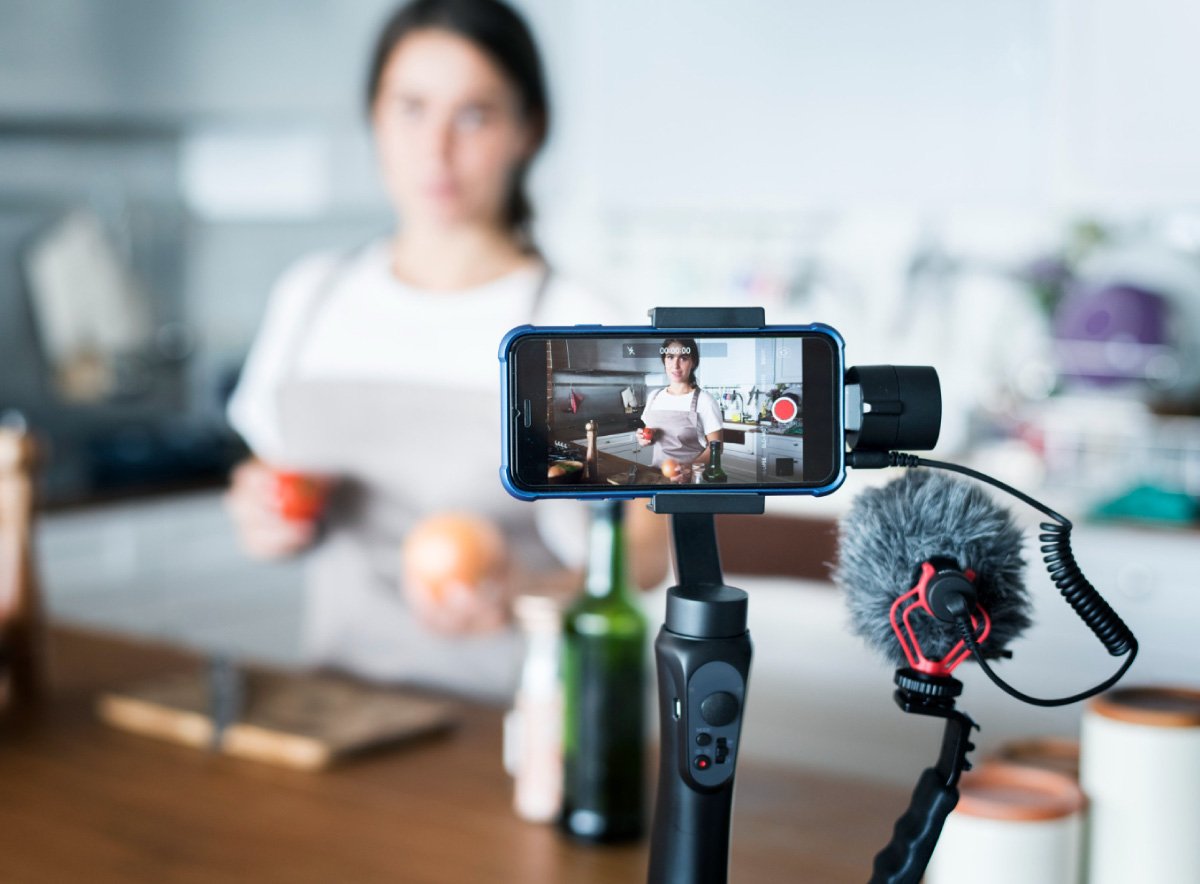
Content quality starts at the source. If your footage is unstable, poorly framed, or inconsistent, everything after becomes harder to fix. A modern smartphone is more than capable for most content—especially when paired with a quality lens kit. What improves results isn’t complexity, it’s how your setup is supported and used consistently.
Tools that make the difference:
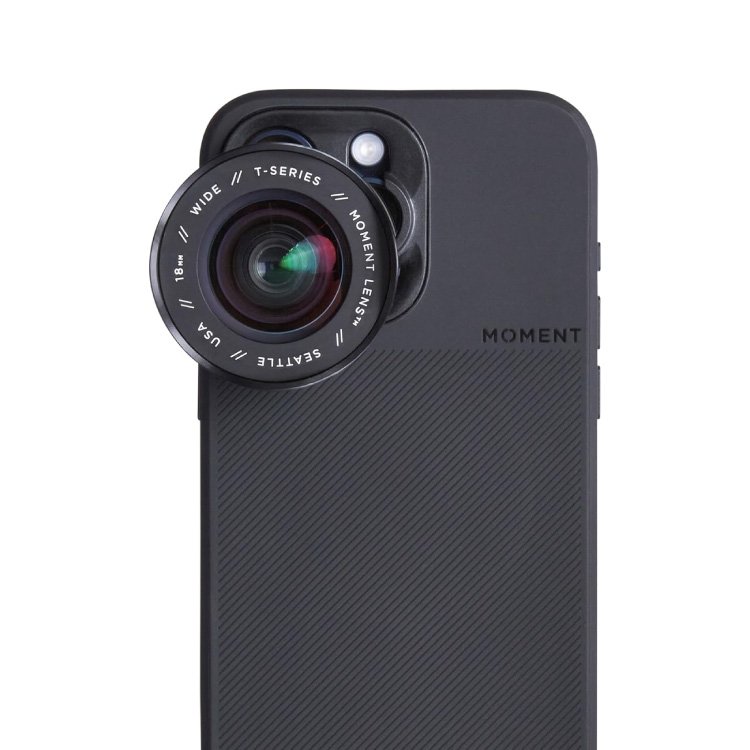
- Smartphone (iPhone or Android) with lens kit for added flexibility and control
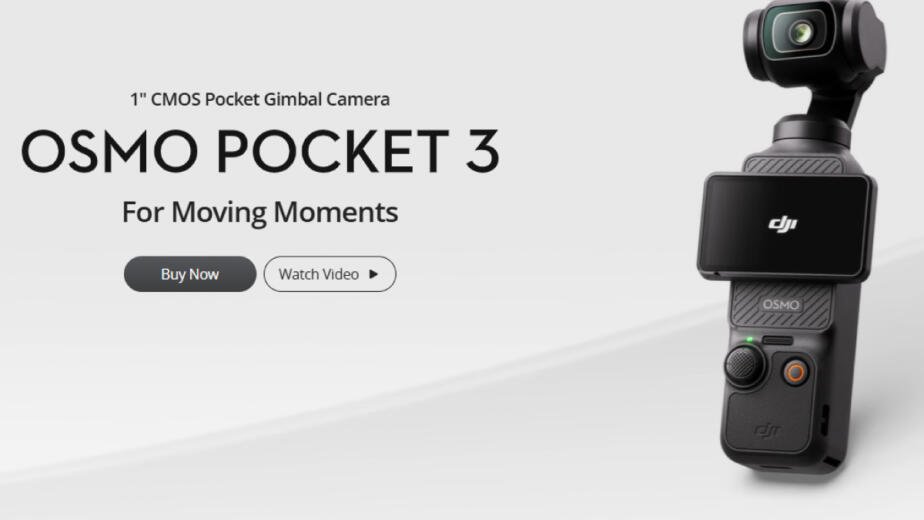
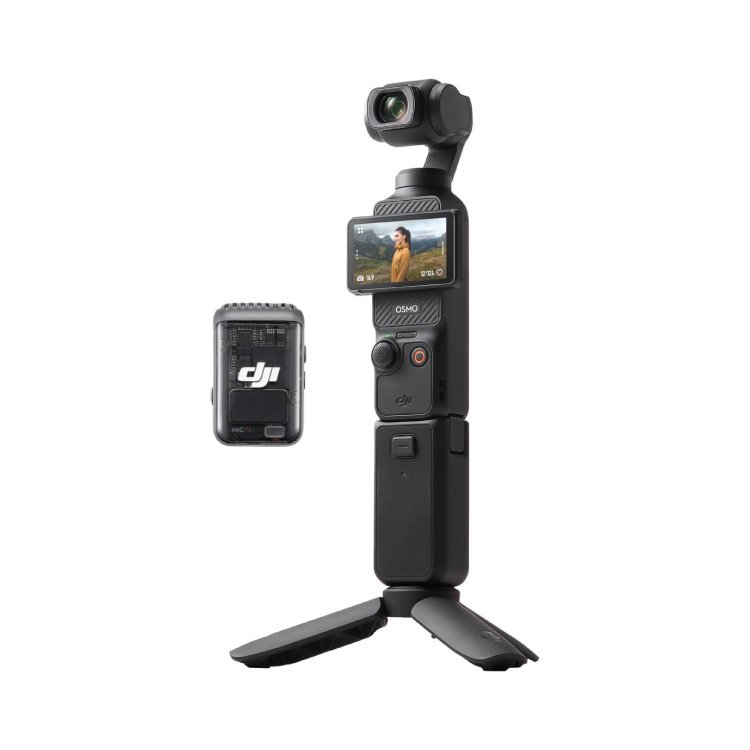
- DJI Osmo Pocket 3 for stabilized, high-quality footage with minimal setup
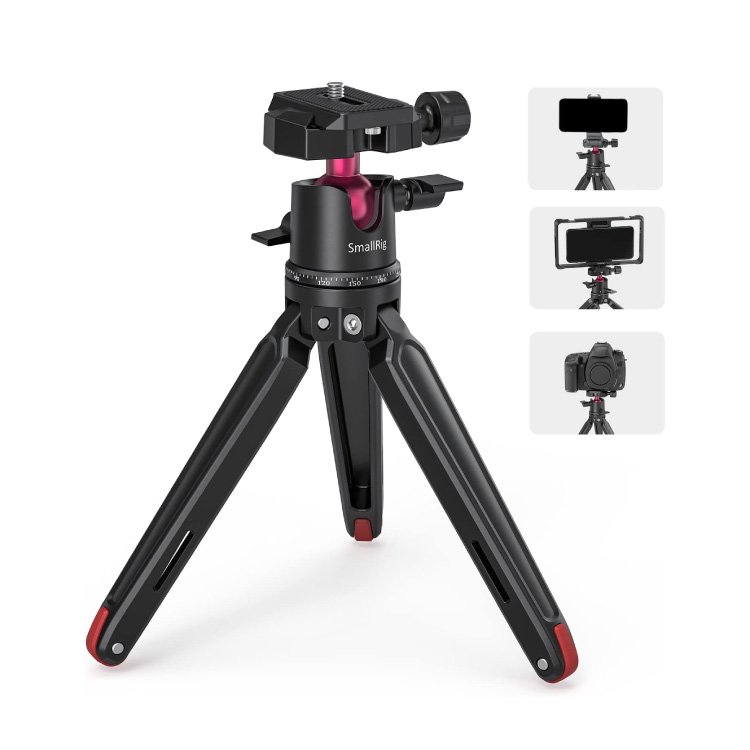
- Tripods based on use:
- Desk-mounted for talking videos or product shots
- Compact/travel for mobile content
- Full-size for consistent filming setups
A stable frame, consistent angle, and reliable image quality instantly make content feel more intentional, and reduce the need to fix issues later.
Lighting Shapes the Outcome

Lighting is one of the fastest ways to improve how your content is perceived.
It affects everything—clarity, mood, depth, and how professional your content feels. Poor lighting can make high-quality footage look flat or distracting, while good lighting can make even simple setups feel clean and intentional.
In most cases, lighting is the difference between someone continuing to watch or immediately scrolling past. Consistency matters just as much as quality. If your lighting changes from video to video, your content loses cohesion.
Simple solutions:
- Ring light for a clean, balanced look with minimal setup
- Small LED panel for more control over direction and intensity
- Natural light (window positioning) as an effective no-cost option
The goal isn’t a complex lighting setup. It’s creating a consistent, well-lit environment that enhances your content instead of working against it.
Audio Carries the Message
People will tolerate average visuals. They won’t stay for unclear audio.
If your message isn’t easy to hear or understand, most viewers won’t wait to figure it out—they’ll move on. This is especially true for talking videos, voiceovers, and any content where clarity matters.
Audio isn’t just about volume. It’s about presence, clarity, and control. Clean audio keeps attention and builds trust. Poor audio creates friction immediately.
Music also plays a role. The right track sets the tone, supports the message, and can influence how content performs—especially on platforms where trending audio helps with discovery. Used correctly, it enhances the content. Used poorly, it distracts from it.
Practical solutions:
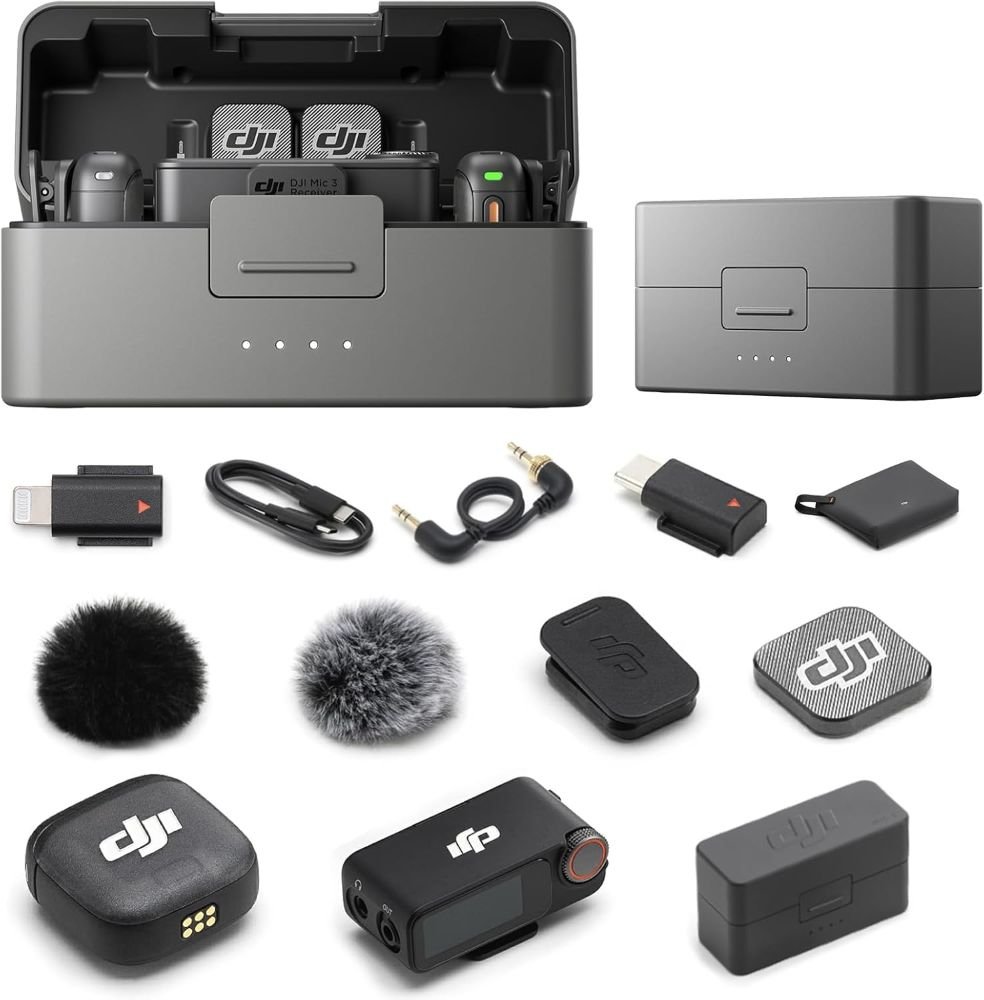
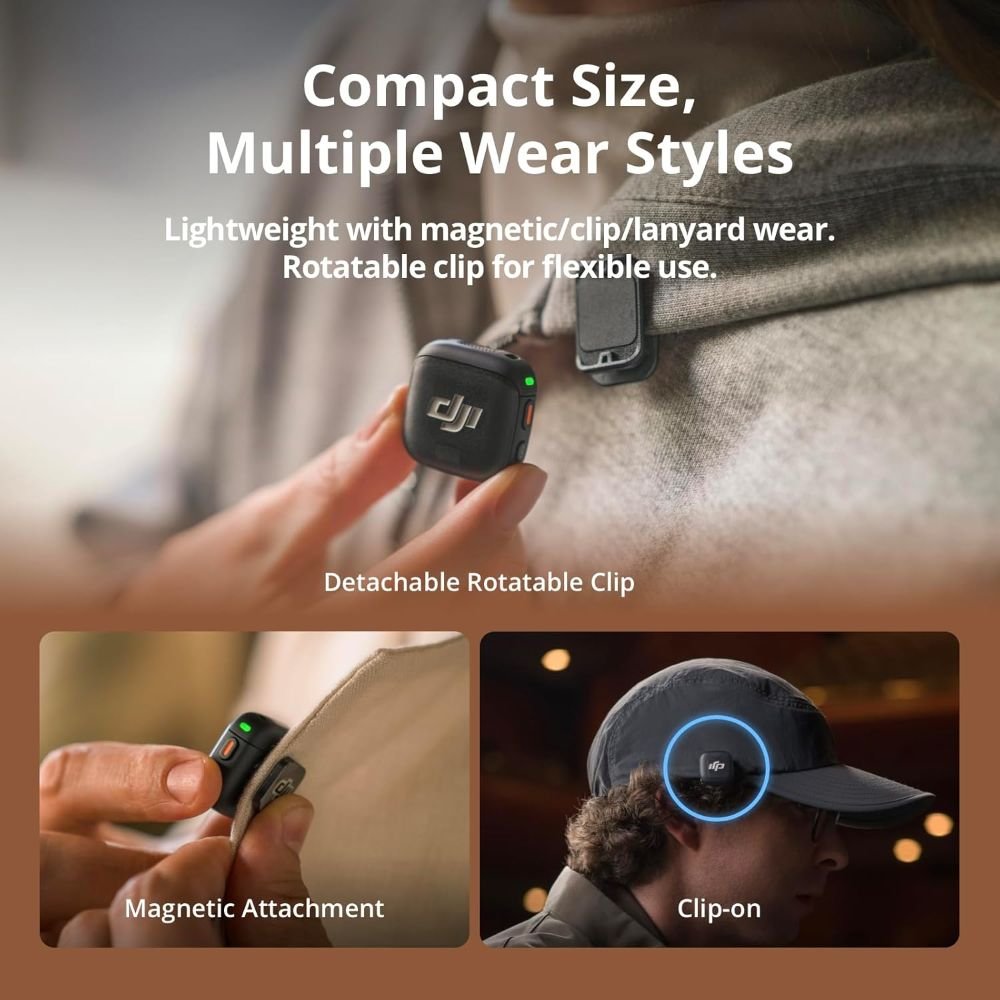
- Wireless lav mic for clear, consistent audio without being tied to your device
- DJI Mic 3 for a reliable, high-quality wireless setup
- Wired lav mic for simple, stationary recording
A lav mic allows you to capture clean audio regardless of distance from the camera, which is especially important for speaking content.
Clear audio doesn’t just improve quality—it keeps people listening.
Keep Editing Simple
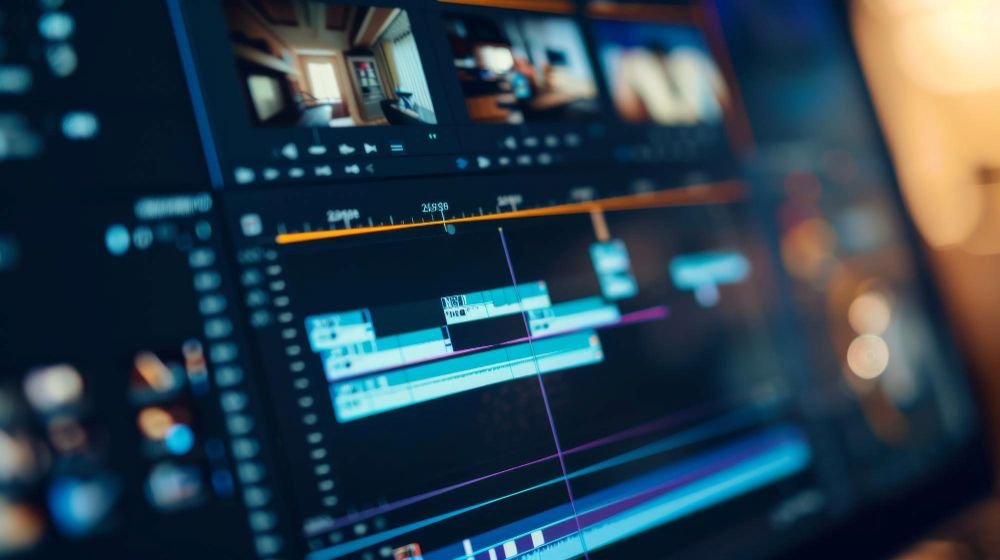
Editing is where raw footage becomes usable content—but it shouldn’t slow you down.
CapCut is one of the most efficient tools for quick, clean edits, especially for short-form content. For more advanced workflows, Adobe Premiere Pro offers deeper control.
The goal isn’t complexity. It’s speed and consistency.
There are also AI-based tools that can:
- Clip long-form videos into short-form content
- Identify highlights automatically
- Format content for platforms like Instagram and TikTok
These don’t replace editing—they help you repurpose content faster and extend output from a single recording.
Build a Simple Organization System

This is where most workflows break down.
Without structure, content gets lost, duplicated, or never used. Over time, this slows everything down and makes it harder to stay consistent.
A simple system is enough:
- Clear folder structure
- Consistent file naming
- Defined locations for raw, edited, and published content
Example structure:
- Folder named by project or content type
- Raw Content
- Edited Content
Tools that support this:
- Save files locally (desktop or working drive) for quick access
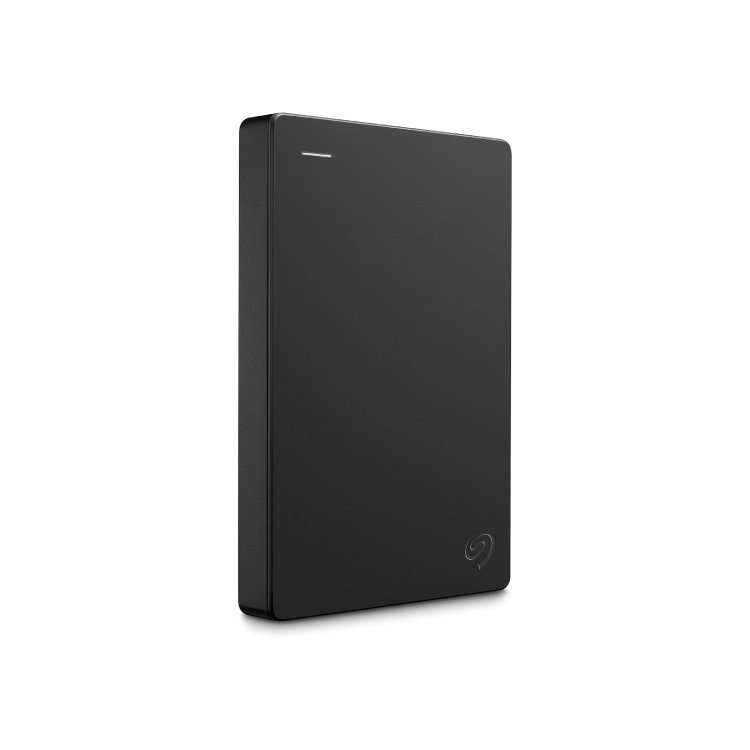
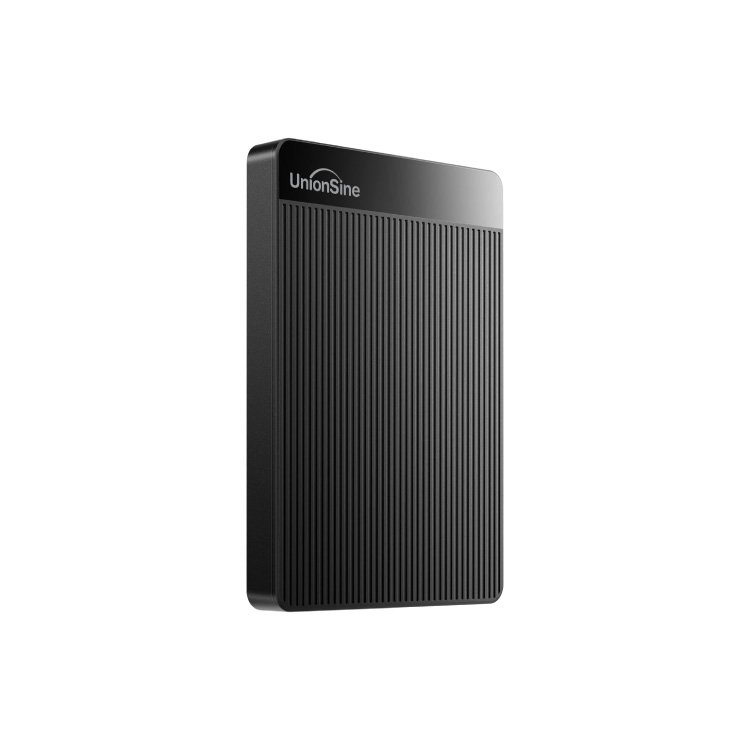
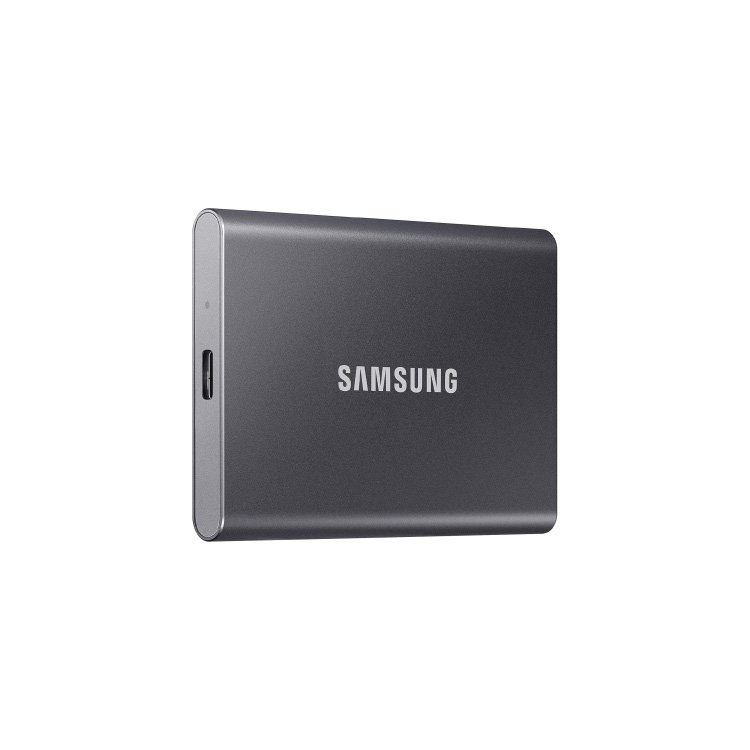
- Back up files to an external drive for redundancy
- Google Drive for central storage and access
- Dropbox as an alternative or secondary backup
- WeTransfer for sending large files efficiently
Organization isn’t just about keeping things clean. It’s what allows you to find, reuse, and scale your content over time—while building reliable, repeatable work habits.
Streamline Publishing
Creating content consistently is easier when publishing is planned, not reactive.
Instead of posting daily in real time:
- Batch create content
- Upload in groups
- Schedule posts in advance
Scheduling tools help maintain consistency while keeping your focus on creation.
The goal is simple — Less time managing posts, more time producing content.
Final Takeaway
You don’t need a complex setup to create strong content.
A small set of reliable tools, paired with a clear workflow, will outperform a complicated system every time.
The focus isn’t on having more tools.
It’s on using the right ones—consistently.
Keep the tools simple. Build the system. Stay consistent.